


THANK YOU FOR SUBSCRIBING
Weekly Brief
Be first to read the latest tech news, Industry Leader's Insights, and CIO interviews of medium and large enterprises exclusively from Healthcare Tech Outlook
A featured contribution from Leadership Perspectives: a curated forum reserved for leaders nominated by our subscribers and vetted by our Healthcare Tech Outlook Advisory Board.

Atrius Health
How is Technology Transforming the Healthcare Landscape?
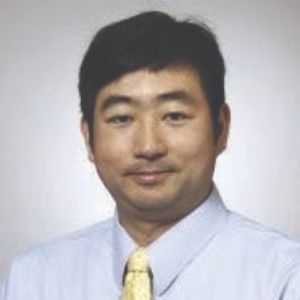
Joe Kimura
As the chief medical officer of Atrius Health, Joe Kimura has helped lead efforts in quality and safety improvement, population health management, clinical informatics and data analytics, and medical education. In addition, he has broad experience leading ambulatory care delivery system improvements with specialty expertise in clinical informatics and healthcare data analytics.
Kimura has held multiple positions within Atrius Health, including deputy chief medical officer, medical director for analytics and reporting systems, and medical director for quality measurement. He also served as a primary care clinician and physician leader from 2008-2010 in the Complete Care Program for the Orange County Service Area of the Southern California Permanente Medical Group.
What challenges have you seen over the years?
Covid-19 has changed a lot of things drastically in the healthcare space. Many hospitals started experimenting with online diagnostic tools for their patients. Now that things are returning to normal, everyone chooses to provide and receive care virtually rather than in person. The biggest challenge we are facing is the shift in how patients access care. To be able to respond, we require better methods and resources. This is where automation comes into play. For instance, you would need adequate employees to handle 2.5 million message requests, which is not something that could be done the same day. To address this, we need automation, but we lack the necessary technologies at this time.
Are there any tools you think can mash up to the high volume of virtual inquiries you are getting from your consumers?
Today, we are exploring the role that technology plays in our lives. We have reached a stage where technology and people coexist in harmony. Most of us have always wished for emails to arrive as secure messages. We’re introducing tools that let users empower themselves. I think patients and consumers are just defaulting rather than spending time and going through some of the ways to find opportunities.
"I think patients and consumers are just defaulting rather than spending time and going through some of the ways to find opportunities"
As an outpatient ambulatory clinic, fulfilling requests for prescription renewal is another crucial task. To do this, it’s important to develop mechanisms that stop these refill requests as they come in and check the medical record specified to verify all those requirements are met. We are looking for methods to use technology as safely and appropriately as possible, decanting it.
As automation takes over various industries, what are some recent projects you have worked on with any automation tools or software?
As an outpatient facility, I believe medication automation is perhaps the most important for us. We initially began collaborating with a few vendors who were more intimately associated with the epic platform. To design those protocols and support the workflows, we ultimately started custom building our capabilities based on our EHR system and where our data was connected. We switched to an internal sourcing strategy to better support our business model.
What would be your single piece of advice for the upcoming professionals in this field?
It’s impossible to fully return to face-to-face interactions after Covid-19. Unquestionably, we shall live in a more augmented or complementary environment in the future where things can be accomplished virtually a lot more swiftly, effectively, and honestly. That will make receiving better care for our patients much more convenient. Therefore, I think that while virtual therapy is developing, there is no reason to pressure patients to resume face-to-face communication. Instead, we must figure out how to better assist virtual care as it develops using tools like Tele-video consultation.
However, it’s impossible to jump in without a proper setup to give people access to it. There are not enough workforce people, and there are no medical assistance technologists to hire. Doctors cannot hand check everything in; hence you need to upgrade that system. We had many individuals working on numerous applications of software related to care triage and predictive analytics that were probably invalid. I think these kinds of advancements and learning are essential to our success moving ahead.
The articles from these contributors are based on their personal expertise and viewpoints, and do not necessarily reflect the opinions of their employers or affiliated organizations.
